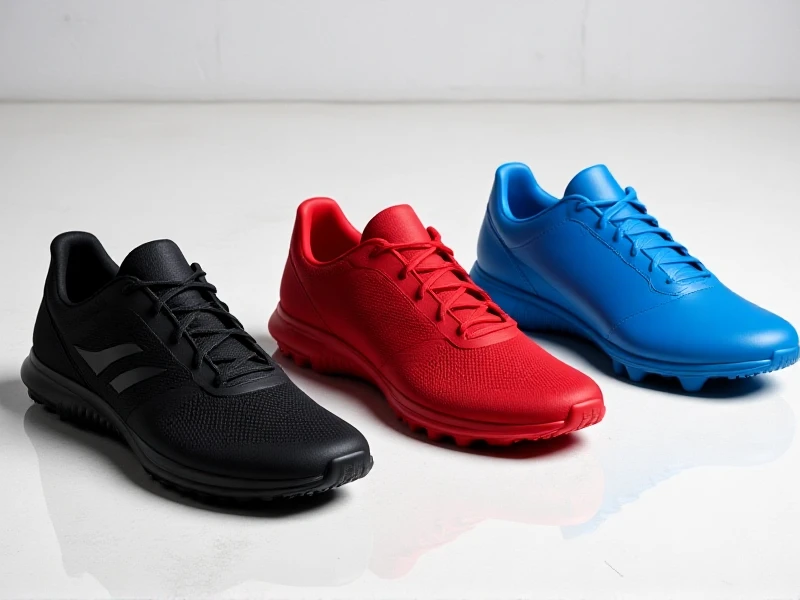
Your Soccer Shoes Dilemma Solved: Choosing Perfect Fit & Performance
Are you still searching for soccer shoes that feel like an extension of your foot? The quest for the perfect boot often feels daunting amidst countless brands, styles, and price points. Forget guesswork. Finding the ideal cleats hinges on understanding three core elements: fit, function, and the field you conquer.
1. The Primacy of Fit: Comfort is Non-Negotiable Never prioritize style or brand prestige over how the shoe embraces your foot. Snugness without constriction is paramount. Your foot should feel securely locked down in the heel and midfoot to prevent sliding, which causes blisters and instability during sharp cuts. Ensure wiggle room (about a thumbnail's width) at the toes for natural movement during sprints and kicks. Consider width options – many brands offer specific narrow or wide fits. Trying on cleats later in the day (when feet swell slightly) ensures comfort throughout intense matches. Remember, no amount of "breaking in" compensates for a fundamentally poor fit; pain is a sign it’s wrong.
2. Playing Position Dictates Playing Needs
- Speed Demons (Wingers/Strikers): Prioritize lightweight soccer shoes with a focus on acceleration. Sleek synthetic uppers provide a seamless touch and minimal weight, helping you explode past defenders. Low-profile stud configurations (blades or round) enhance ground feel and traction during linear sprints.
- Control Maestros (Midfielders/Playmakers): Seek soccer shoes offering exceptional ball feel. Soft kangaroo leather or advanced thin synthetics deliver superior touch, cushioning, and passing precision. Look for textured surfaces or control elements on the strike zone for command under pressure.
- Defensive Rocks (CBs/FBs, GKs): Durability and protection come first. Reinforced toe boxes, padded collars, and robust materials withstand tackles and blocking. Midfoot support systems enhance stability for tackles and pivots. GK-specific cleats often feature flat soles for better push-off movements.
3. Know Your Pitch: Turf Matters Most Choosing the wrong soleplate is a recipe for slips and potential injuries.
- Firm Ground (FG): Designed for natural grass pitches with good drainage. Features molded conical or bladed studs for reliable grip. Crucially: Never wear FG cleats extensively on artificial turf (AG), as they grip too aggressively, increasing ankle/knee injury risk.
- Artificial Grass (AG): Specifically engineered for synthetic turf. Typically have numerous, shorter (often conical) studs distributed for balanced traction and pressure distribution without excessive stud penetration.
- Turf (TF): Built for hard artificial surfaces. Employ dense, short rubber studs resembling little nubs for grip and comfort, absorbing shock better than AG or FG soles. Excellent for training grounds or very short turf surfaces.
- Soft Ground (SG): Longer, often metal studs for muddy, wet natural grass. Primarily used by professionals.
The Final Whistle There's no single "best" soccer shoe. Your perfect match combines flawless fit, features tailored to your on-field role, and the appropriate soleplate for your primary pitch. Invest time trying on carefully selected options, focusing on lockdown and comfort. Prioritizing these factors unlocks the performance edge and minimizes injury risk, ensuring your soccer shoes truly elevate your beautiful game. Make the right choice – your feet and form will thank you. Ready to discover your ultimate pair?